The complete packaging guide for Saudi cloud kitchens in 2026 — delivery-optimized containers, tamper-evident sealing, building brand identity without a storefront, food-type packaging strategies, and cost planning for every order volume.
A cloud kitchen is a business model that differs fundamentally from a traditional restaurant in every aspect — including packaging. In a traditional restaurant, the customer sees the space, smells the food, and interacts with staff before eating. In a cloud kitchen, packaging is the only physical touchpoint between your brand and your customer — it is the complete experience. Cloud kitchens in Saudi Arabia have grown rapidly since 2020 and now represent a substantial share of the food delivery market. Yet the majority make a critical common mistake: they invest in social media, photography, and food quality, then send orders out in packaging with no brand identity. A customer who cannot see your brand will not remember it — and without memory, there is no repeat order. This guide addresses cloud kitchen packaging in full detail: the unique delivery performance requirements, how to build a strong visual brand without a physical storefront, and how to choose packaging that arrives at the customer in the same condition it left your kitchen.
Cloud Kitchen = Packaging Is Everything
In a traditional restaurant, packaging represents 20% of the first impression. In a cloud kitchen, packaging represents 80% of the total experience. There is no venue, no décor, no staff interaction — only the bag, the box, and the moment the customer opens it. Every riyal invested in packaging quality is a direct investment in your brand experience and your customer retention rate.

The complete packaging checklist for opening a new restaurant in Saudi Arabia 2026 — what to order, in what quantities, on what timeline, how to budget, and how to build a professional brand identity from your very first day of service.

The definitive packaging guide for Saudi cafes and coffee shops in 2026 — from choosing the right cup sizes and wall types to pastry boxes, takeaway bags, delivery sealing, and building a complete cafe visual identity through packaging.
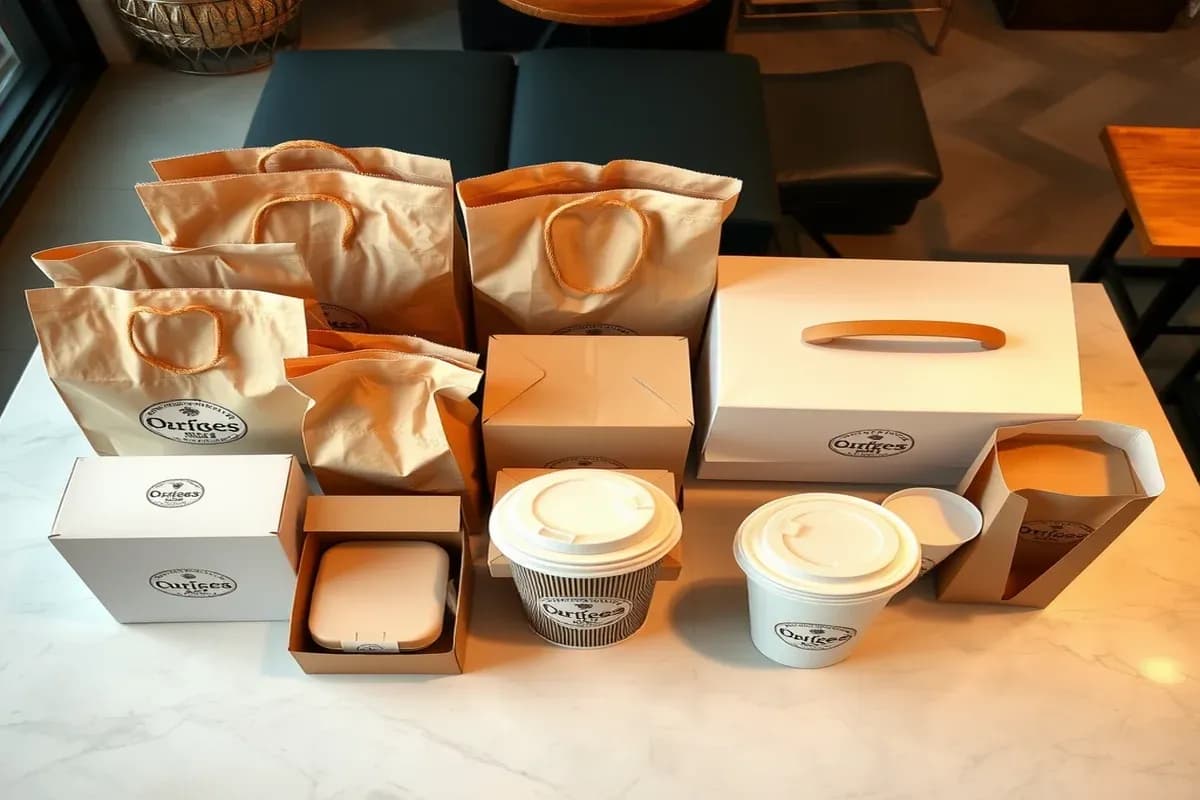
Cloud Kitchen Packaging Requirements — Fundamentally Different. Delivery means a journey that averages 20-40 minutes — and the food inside the packaging is exposed to changing temperatures, humidity, and physical movement throughout. Packaging designed for immediate on-site consumption does not perform the same way during delivery. The primary difference is ventilation for hot food. Fully sealed containers trap steam — and trapped steam softens crispy textures, makes sandwiches soggy, and fundamentally changes the food's texture in ways the customer will notice immediately. Good delivery packaging includes small ventilation holes that allow steam to escape while maintaining heat. This single detail is the difference between crispy fried chicken arriving at the customer's door and limp, steam-damaged chicken that generates a one-star review. Outer delivery bags must close securely — either with a reinforced handle knot or a tamper-evident adhesive seal. This secure closure reassures customers that their order was not opened or tampered with during delivery, which has become a significant concern and expectation in the Saudi market.
| Packaging Type | Best Applications | Key Delivery Feature | Price (SAR/100 pcs) |
|---|---|---|---|
| Vented cardboard box | Burgers, fried chicken, wraps | Steam ventilation holes | 18–35 |
| Bagasse deep container | Rice dishes, Arabic food, stews | Heat retention + no steam trap | 28–55 |
| Clear PET/PP container | Salads, healthy bowls, cold items | Transparent + leak-proof seal | 22–40 |
| Kraft delivery bag (sealed) | All order types — outer bag | Tamper-evident closure | 12–25 |
| Aluminum foil tray + lid | Kabsa, mandi, grilled platters | Maximum heat retention 60+ min | 20–45 |
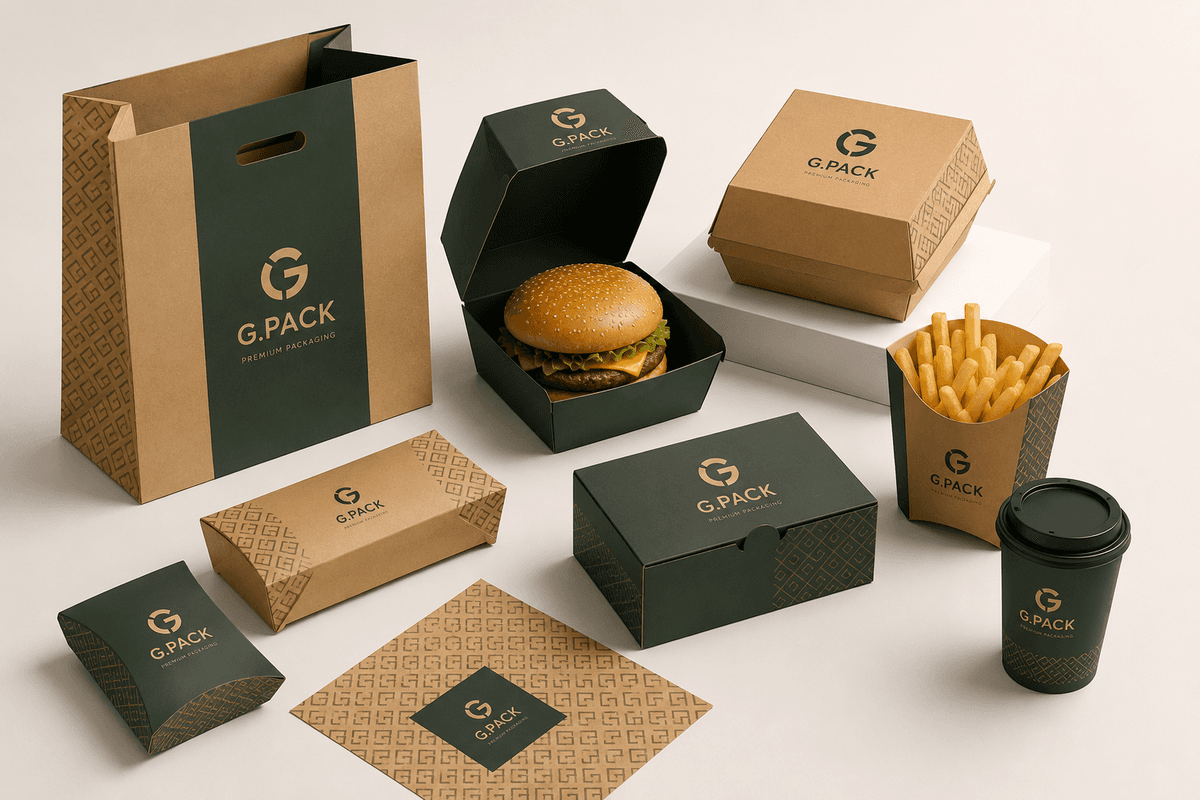
Building Strong Brand Identity Without a Physical Storefront. A cloud kitchen compensates for the absence of a physical location through intelligent packaging design. The outer delivery bag is your brand's moving storefront — seen by the delivery driver, the building security guard, curious neighbors, and everyone in the vicinity when the customer receives the order. Everything on that bag sends a message about your brand. The three essential elements of cloud kitchen visual identity through packaging: a large, clear logo readable from arm's length, a distinctive brand color that makes your bag instantly recognizable, and a short brand statement that tells the customer who you are (for example: "Craft Burgers — Made with Passion" or "Healthy Kitchen — Fueling Your Day"). These three elements on the outer bag are sufficient for strong brand communication. Inside the order, add a small printed thank-you card: "Thank you for choosing [Kitchen Name]. Share your experience and tag us: @..." This card costs SAR 0.10-0.15 per order and dramatically increases the probability of positive reviews and organic social media mentions.
| Food Type | Primary Container | Sauce Handling | Ventilation Needed? | Special Requirement |
|---|---|---|---|---|
| Burgers & Fried Chicken | Vented cardboard box | Separate sauce cup | Yes — essential | Minimum 3 vent holes in lid |
| Fries & Crispy Items | Fry scoop box or vented box | Ketchup in 2oz cup | Yes — critical | Never seal crispy items airtight |
| Salads & Healthy Bowls | Clear PET container + lid | Dressing in separate 2oz cup | No — seal airtight | Dressing always separate |
| Rice Dishes (Kabsa/Mandi) | Deep bagasse or aluminum tray | Sauce/soup on side | No — retain heat | Minimum 60-min heat retention |
| Kebab & Grilled Items | Bagasse or foil tray | Sauce separately | Minimal | Bread packaged separately to avoid sogginess |
Packaging by Food Type in Saudi Cloud Kitchens. Burger and fried chicken cloud kitchens need boxes with ventilation holes and a structurally strong lid that survives the delivery journey without opening accidentally. The cost difference between a standard box and a vented delivery-grade box is SAR 0.05-0.10 per unit — but the quality difference in what arrives at the customer is immediately visible and felt. Fries must always be in a separate compartment or a separate container from the burger — fries mixed with the burger in one closed box lose their crispness within 3 minutes. The additional cost of a separate fries container is negligible against the customer satisfaction impact. For healthy food and salad cloud kitchens: dressings always in separate sealed cups — never pre-mixed. A pre-dressed salad becomes wilted and unpleasant within 15 minutes. Clear PET containers show the product and its fresh ingredients visually — this transparency builds customer confidence. For kabsa, mandi, and Arabic rice cloud kitchens: use deep bagasse or aluminum tray containers with matching lids. These maintain heat for 45-60 minutes and are structurally sound enough to handle the weight of full rice portions without deforming.
| Strategy | Upfront Investment | Brand Impact | Per-Order Cost | Best For |
|---|---|---|---|---|
| Plain stock packaging | Low | None | SAR 1.50–2.50 | Testing phase / first 2 weeks only |
| Printed outer bag only | Medium | High | SAR 2.00–3.50 | Recommended starting point for new cloud kitchens |
| Full custom print (bag + box) | High | Very High | SAR 3.00–6.00 | Established cloud kitchens with stable 50+ orders/day |
| Stock packaging + logo sticker | Low-Medium | Medium | SAR 1.80–3.00 | Budget option while waiting for custom print minimum quantities |
Cloud Kitchen Packaging Costs and Budget Planning. A startup cloud kitchen processing 30-50 orders per day needs an initial monthly packaging budget of SAR 1,500-3,000 depending on food type. This covers boxes, bags, utensils, and accessories. A healthy per-order packaging cost target for cloud kitchens is 4-6% of the order value — slightly higher than traditional restaurants because delivery packaging requirements are more demanding. The illusion that traps many cloud kitchens is calculating packaging costs in isolation from customer complaint costs. An order that arrives in poor packaging means a negative review, potentially a refund request, and the loss of a repeat customer. In G-Pack's analysis of Saudi cloud kitchen economics, saving SAR 0.50 per order on packaging costs an average of SAR 3-5 in customer relationship costs — lost repeats, refunds, and app rating damage. The correct investment in packaging pays for itself many times over in customer lifetime value.
| Product | 1,000 pcs | 3,000 pcs | 5,000 pcs |
|---|---|---|---|
| Vented burger box — custom 1 color | 38–48 | 28–38 | 22–30 |
| Kraft delivery bag medium — custom 1 color | 20–28 | 15–22 | 12–17 |
| Deep bagasse container (large) | 45–65 | 35–50 | 28–40 |
| Sauce cup 2oz — plain | 8–12 | 6–9 | 5–7 |
| Aluminum foil tray + lid | 22–32 | 17–25 | 14–20 |
Essential Cloud Kitchen Packaging Kit
Vented cardboard boxes for burgers and fried items. Separate fry boxes or scoop cups. Deep bagasse or aluminum containers for rice dishes. Clear PET containers for cold and healthy food. Sealed tamper-evident delivery bags. Sauce cups (2oz and 4oz). Printed thank-you cards. Logo stickers for plain-stock boxes as an interim branding solution. These eight items cover every cloud kitchen category — start here and customize as your volume grows.
List every dish on your menu and assign the exact delivery packaging it needs — type, size, ventilation requirements, and whether sauce needs a separate container. This map is your complete packaging specification.
Any item that is crispy when cooked must go in a vented container. Purchase ventilated burger and chicken boxes as your default for fried food — not as an upgrade. The cost difference is minimal; the quality difference is significant.
Before enabling your cloud kitchen on any delivery platform, establish your tamper-evident sealing protocol. This can be a sealed handle knot, an adhesive tamper-evident label, or a heat-sealed bag. Customers notice and appreciate sealed packaging.
Design a small (A6 size) thank-you card with your logo, social media handles, and a simple request for a review. Print 1,000 cards at a time. The SAR 0.10-0.15 per order cost generates measurable increases in positive reviews and follower growth.
Never pre-mix sauces with food for delivery. Every sauce, dressing, and dip goes in a separate sealed 2oz or 4oz cup. This preserves food texture during the delivery journey and gives customers control over their eating experience.
Before accepting your first delivery order, have at least 6 weeks of packaging supply on hand for every item. Cloud kitchens that launch with 2 weeks of stock consistently hit stockout emergencies during their first growth surge.
Minimum cloud kitchen packaging kit: primary food containers appropriate to your menu (vented boxes for fried food, bagasse for rice dishes, clear PET for cold food), tamper-evident outer delivery bags, sauce cups in 2oz and 4oz, napkins, and printed thank-you cards. Order 6 weeks of supply before your launch date.
Yes — in 2026, Saudi food delivery customers expect and demand sealed packaging. Unsealed bags generate customer complaints and negative app reviews significantly more often than sealed bags. Tamper-evident adhesive labels or heat-sealed bags are the two most practical solutions for cloud kitchens at any volume.
Two critical steps: (1) Use vented packaging — boxes with ventilation holes in the lid allow steam to escape without losing heat. (2) Always package crispy items separately from sauces, drinks, and rice. A fried chicken piece touching a container of rice and sauce for 30 minutes loses all crispness. Separate containers solve this completely.
For a cloud kitchen doing 30-50 orders per day: SAR 1,500-3,000 per month for all packaging. Target 4-6% of your order revenue as your packaging cost ratio. This is slightly higher than traditional restaurants because delivery-grade packaging costs more than basic service containers — but the investment directly protects your app rating and repeat order rate.
A practical middle path for new cloud kitchens: use plain stock packaging with professional logo sticker labels for your first 2-4 weeks while you validate your menu and volume. Once you confirm your daily order rate and menu stability, invest in custom printed bags and boxes. This avoids committing to a large custom print run before you know exactly what you need.
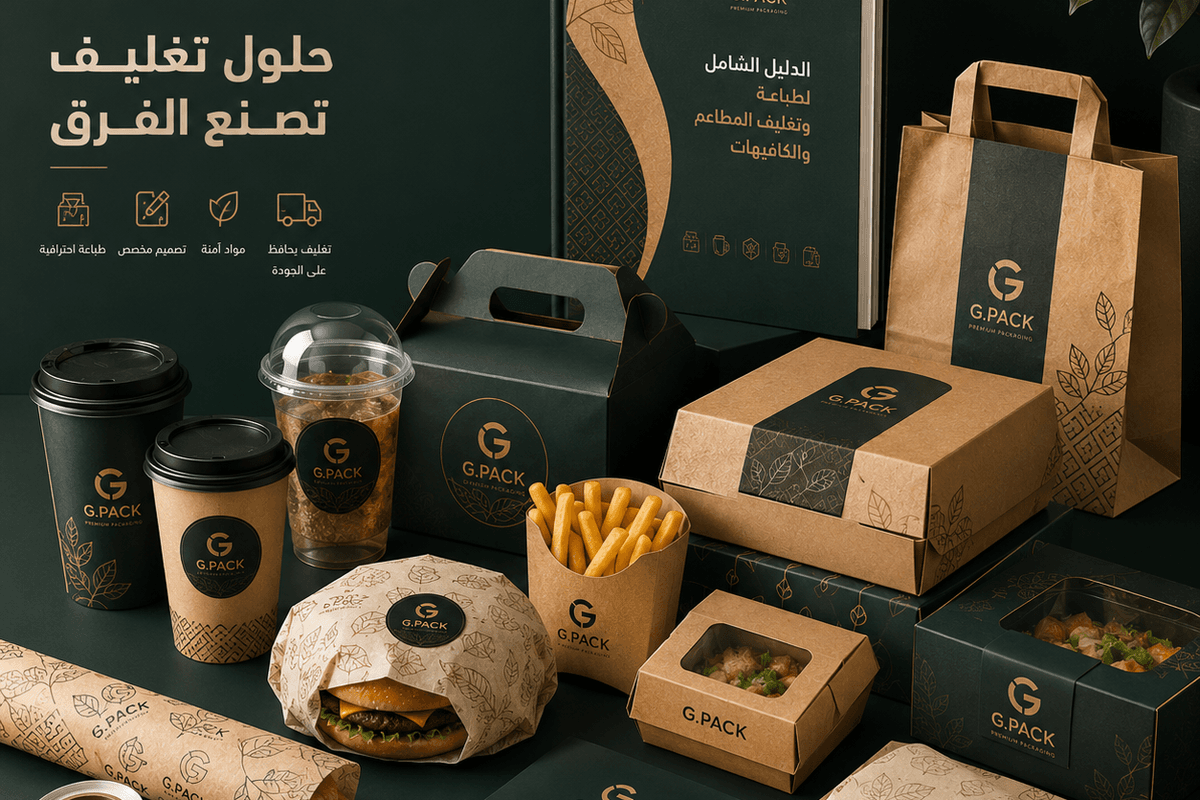
G-Pack provides complete delivery-optimized packaging solutions for Saudi cloud kitchens — vented boxes, tamper-evident bags, bagasse containers, and custom printing. Free consultation and quote within 24 hours.
Get a Free Quote